Running From Tradition: Why USC Backing Out of Notre Dame Looks Weak
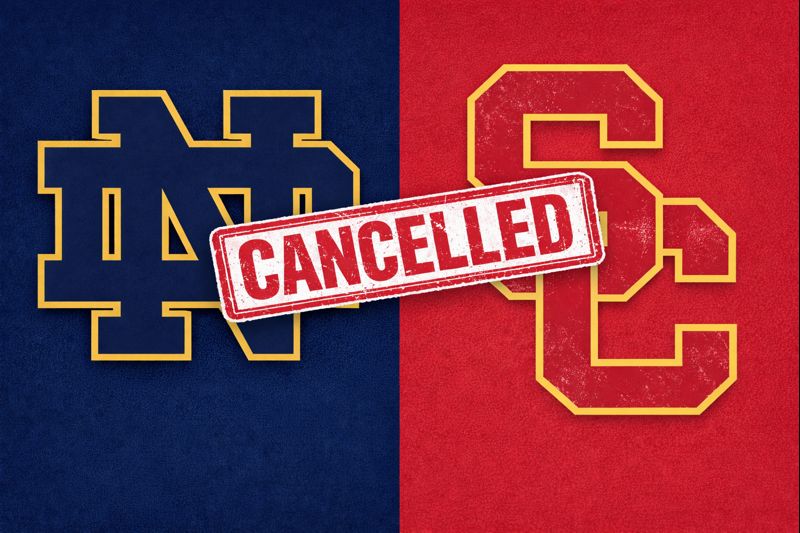
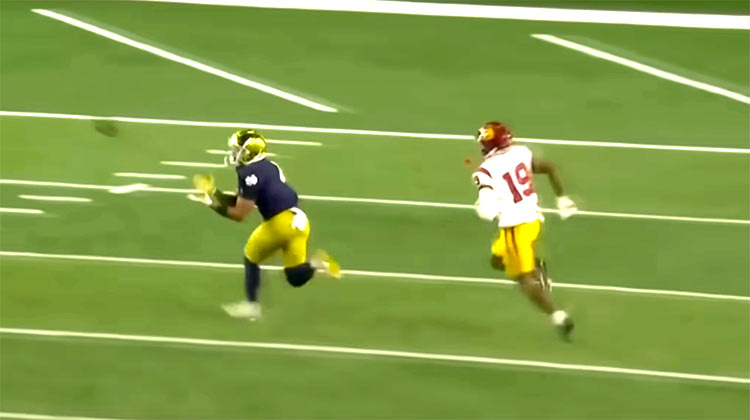
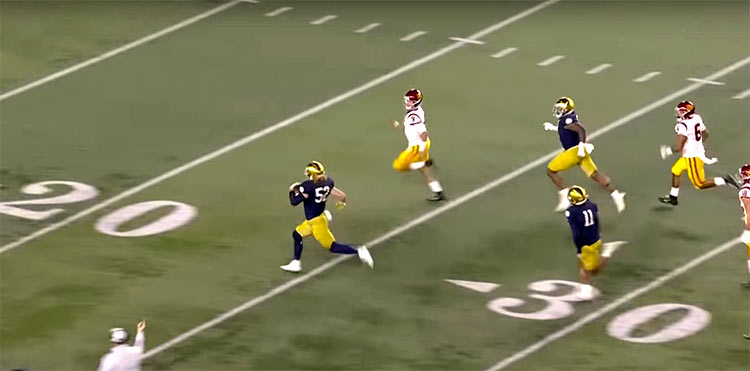
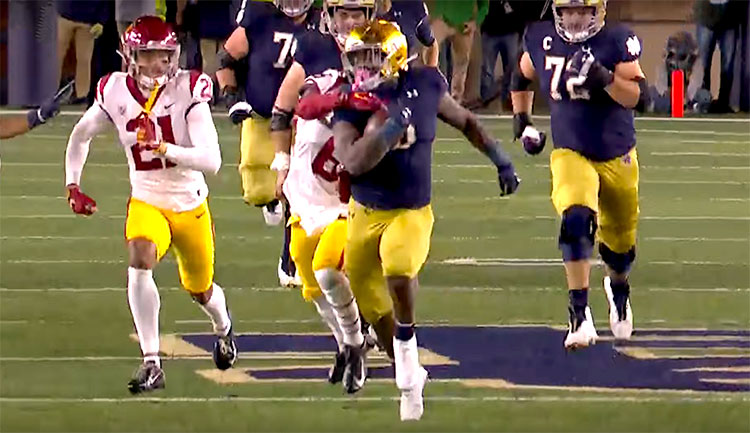
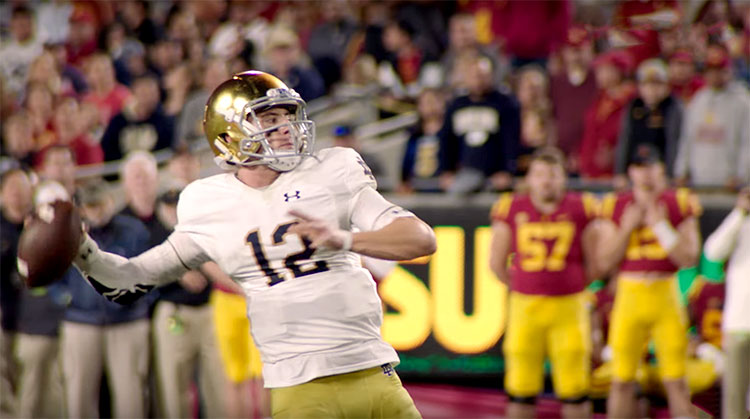
College football is built on tradition. Rivalries are the lifeblood of the sport—games that mean more than rankings, more than television deals, more than playoff projections. That’s exactly why USC’s decision to cancel its historic rivalry game against Notre Dame feels like a betrayal of everything college football is supposed to stand for.
For generations, USC vs. Notre Dame has been one of the sport’s defining matchups. It’s a game that shaped seasons, crowned champions, and created legends. Walking away from that rivalry doesn’t just feel disappointing—it feels cowardly.
Let’s be honest about what’s really going on here. This isn’t about logistics or scheduling challenges. This is about fear. USC doesn’t want Notre Dame on the schedule because Notre Dame is dangerous. It’s a physical, disciplined program that exposes flaws, and USC knows that a loss to the Fighting Irish could derail their postseason dreams. In the modern era of college football, where playoff positioning is everything, USC appears more concerned with protecting its résumé than proving itself on the field.
And that mindset starts at the top.
Lincoln Riley has built a reputation as an offensive mastermind, but when it comes to toughness and accountability, the questions keep piling up. Canceling a rivalry of this magnitude sends a clear message: risk avoidance matters more than competition. Great coaches chase challenges. Weak ones dodge them. If Riley truly believed in his program, this game wouldn’t be up for debate.
The irony is that USC brands itself as an elite program. Elite programs don’t run from marquee opponents. They don’t soften schedules to improve playoff odds. They embrace the grind, the pressure, and the possibility of failure. By backing away from Notre Dame, USC is signaling that it would rather play it safe than play it strong.
Notre Dame isn’t afraid of this matchup. They never have been. That’s what makes USC’s retreat look even worse. Rivalries are supposed to be tests of pride and identity, not obstacles to be removed when they become inconvenient.
College football fans deserve better. Traditions deserve better. And if USC truly wants to be taken seriously on the national stage, it should stop worrying about what a loss might do to its playoff chances—and start worrying about what running away says about the program itself.
Because right now, it doesn’t say “elite.”
It says “afraid.”